
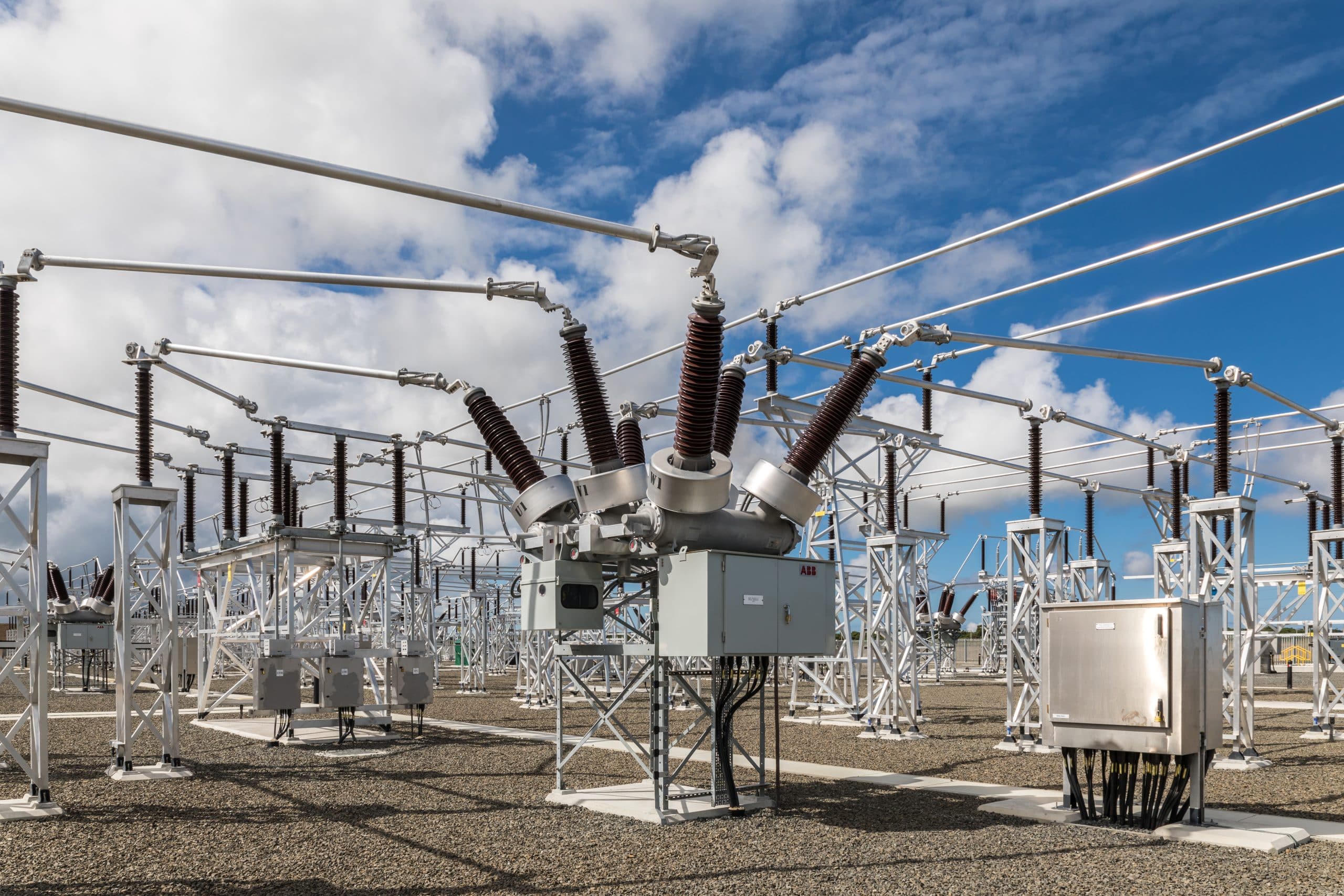
The UK electricity network is being asked to do more, faster. Ofgem has said capital investment in electricity transmission alone may exceed £70 billion over the next five years, highlighting the scale of grid reinforcement. At the same time, government figures show applications for demand connections to the transmission network grew by 460% in just six months, contributing to connection waits of 10–15 years.
New grid connections, increasing electrification, changing load profiles and a major programme of transmission investment are all placing pressure on substations, cable routes and associated infrastructure. But resilience is not only about adding capacity. It is also about protecting the assets already in service and designing new assets so they can perform, adapt and be maintained over decades.
For substation sealing, that creates two distinct but connected challenges.
The first is retrofit and repair. Across existing substations, cable ducts and wall or floor penetrations may already be affected by water ingress, gas migration, poor historic installs, degraded materials or openings that have changed over time as cables have been added or replaced. In these environments, sealing systems need to solve real site conditions rather than assume ideal ones.
The second is new-build design. As more substations are planned, upgraded or connected into constrained sites, including locations with greater flood exposure, sealing should be considered at the point of design rather than treated as a finishing detail. Openings may be non-standard, congested or difficult to access. Future cable additions may be unknown, installers may have limited working space and so sealing approaches needs to reflect that reality.
This is where flexible, re-enterable sealing systems are becoming increasingly important. Unlike rigid or modular approaches that depend on predefined opening sizes and layouts, flexible sealing systems can accommodate complex penetrations, mixed cable configurations and non-standard site conditions. They support effective protection against water, gas, smoke and fire, while allowing penetrations to be re-entered for future upgrades, maintenance or service changes.
That matters because substation resilience is now a whole-life issue. A seal that performs on day one also needs to support the next intervention, whether that’s a new cable, a repaired duct, a change in equipment, or an upgrade linked to future demand. If re-entry is difficult, messy or dependent on major civil works, a small detail can quickly become a programme risk.
Fire protection is equally critical. Cable and pipe penetrations can compromise compartmentation if they are not sealed with tested, appropriate systems. In substations and electrical environments, the sealing strategy needs to support both flood resilience and fire safety, helping to protect equipment, people, service continuity and compliance.
The responsibility for that performance is shared. Designers need solutions that can be specified with confidence for current and future conditions. Contractors need systems that can be installed safely and consistently, even in restricted spaces. Electrical installers need a sealing approach that is practical on site and accountable once cables are in place. Asset owners need long-term protection without locking themselves into inflexible infrastructure.
As the UK pushes ahead with grid reinforcement, the details around cable and pipe penetrations deserve greater attention. Flexible, re-enterable sealing is just a product choice, it is a practical way to protect existing infrastructure, improve new-build resilience and keep substations ready for the demands still to come.