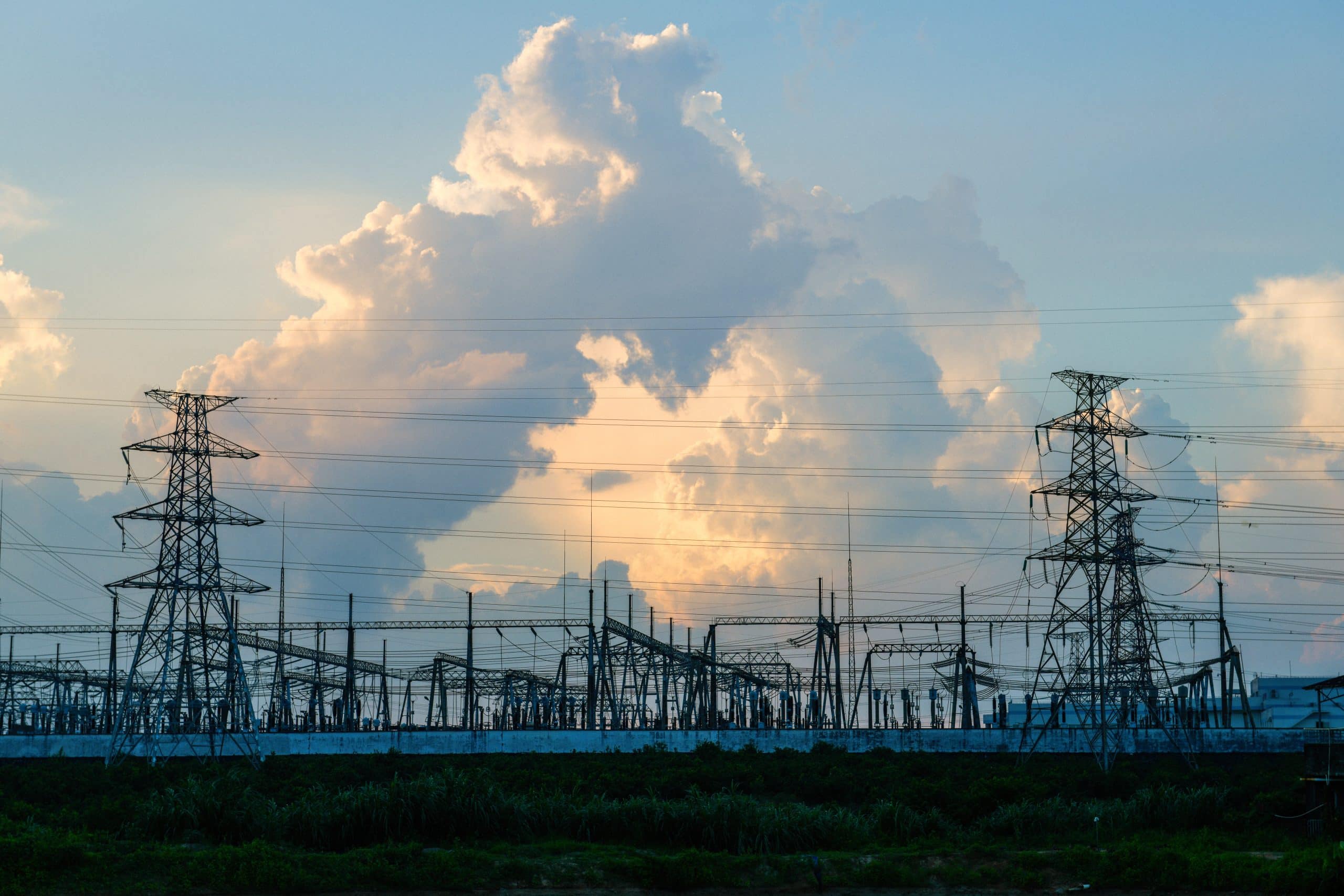
Offshore wind has become a significant success story in the UK, now ranking as the world’s second-largest market. It contributes over 40% of Europe’s offshore wind capacity, highlighting its pivotal role in the country’s economic landscape. This rapidly growing industry has not only spurred substantial growth but also created numerous high-skilled jobs, attracting significant investments amounting to billions of pounds.
Projected growth and infrastructure demands
Projections indicate that by 2030, approximately one-third of the UK’s electricity will be sourced from offshore wind, marking substantial progress since the installation of the first turbines 25 years ago. However, meeting the ambitious target of net zero by 2050 may necessitate up to 125 GW of capacity. This increase in demand requires energy infrastructure that is both stable and secure.
The journey of offshore electricity to homes
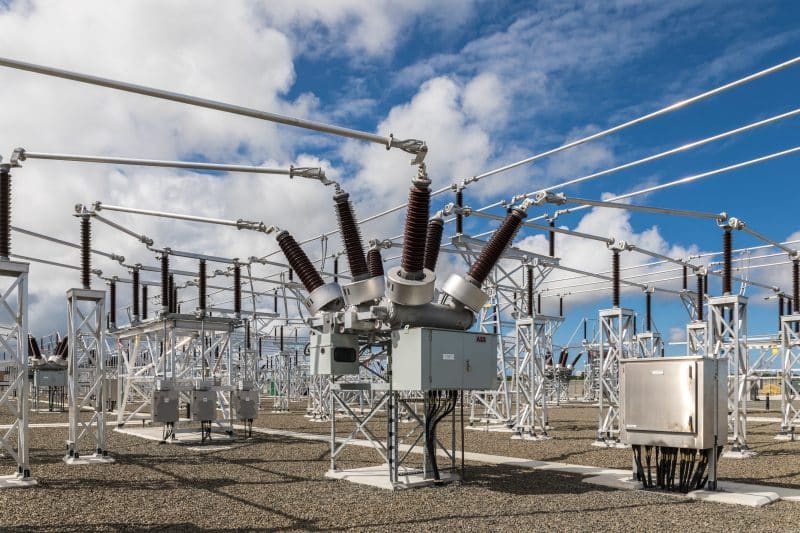
Clean electricity generated by offshore wind turbines needs to be transported onshore and connected to the National Grid before reaching millions of homes across the UK. When offshore turbines generate power, the electricity is carried through underwater cables to an offshore substation, where the voltage is stepped up to reduce transmission losses. Export cables, buried underground, then transfer the electricity to an onshore substation, where it is converted to the correct voltage and fed into the Grid.
Environmental risks to substations
Electric power substations are critical in the transmission and distribution of electricity, but they are vulnerable to various environmental factors that can compromise their integrity and reliability.
Thermal stress: Extreme temperatures pose a significant risk. Rising temperatures can cause thermal stress on electrical components, leading to overheating, insulation breakdown, and ultimately, equipment failure. If transformers exceed their optimal operating temperature, they may sustain irreversible damage, necessitating replacement. Additionally, high temperatures can affect the efficiency of cooling systems, further exacerbating the risk of equipment overheating.
Flooding: Heavy rainfall and rising water levels can inundate substations, leading to moisture intrusion and damp conditions. This dampness can result in corrosion of metal components, short-circuiting of electrical systems, and degradation of insulation materials. Consequently, the risk of power outages increases, as compromised equipment may not function properly or could even fail entirely during peak demand periods.
Climate change: Amplifying these environmental threats, climate change is resulting in more frequent and severe weather events. Power utilities must, therefore, take proactive measures to mitigate these risks.
Case study: Advanced sealing solutions for renewable energy projects
Since 2020, CSD Technical Services has played an integral role in a renewable energy project, focusing on sealing cable entries at an extensive onshore substation site. The client requested the sealing of three additional 250mm cable entries, each containing a 1x120mm cable, using the NOFIRNO Duct Seal System to ensure a water and gastight seal.
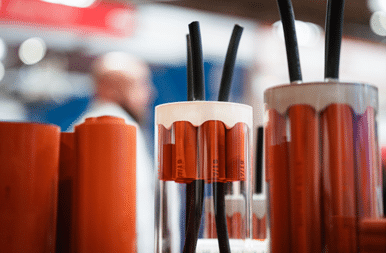
NOFIRNO Duct Seal System: This system proved ideal for vertical ducts, with its high adhesion preventing the sealant from running or falling out. The installation of NOFIRNO multi-sleeves provided cable separation and a firm backing for the sealant, resulting in watertight cable entries. Completed in May 2023 for a high voltage cable installation company, this solution offers several benefits:
- Long-Term Durability: Ensures extended service life of the infrastructure.
- Flood Protection: Safeguards against water ingress and flooding.
- Easy Installation: Streamlines the sealing process.
- Re-Entry Capabilities: Facilitates maintenance and upgrades.
This solution is highly effective for protecting cable ducts and building entry points at the offshore windfarm’s onshore substation, ensuring the resilience and reliability of the energy infrastructure. Are you looking to enhance the resilience of your energy infrastructure against environmental threats? Learn more about how our sealing solutions can protect your substations and ensure uninterrupted power supply, here.